
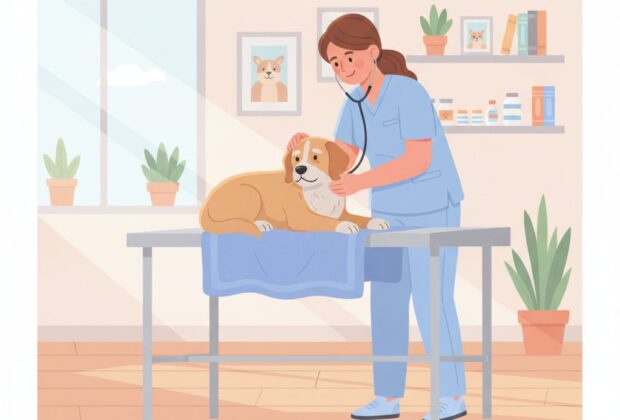
As pets age, their healthcare needs change dramatically, which is why senior pets need vet checkups far more often than their younger counterparts. While adult dogs and cats in good health can often get by with annual exams, senior animals benefit from twice-yearly visits that allow veterinarians to catch age-related conditions before they become serious or irreversible. Understanding when your pet enters their senior years and what to expect at these appointments can add years of comfort and quality of life.
When Does a Pet Become "Senior"?
The age at which a pet is considered senior varies by species, breed, and size. Generally, cats and small dog breeds are considered senior around 7 to 10 years old, while large and giant breed dogs may enter their senior years as early as 5 or 6 due to their shorter average lifespans. Your veterinarian can help you pinpoint the right time to transition your pet into a more frequent checkup schedule based on their individual health history and breed predispositions.
Why Senior Pets Need Vet Checkups Twice a Year
Unlike younger, healthy adult animals, senior pets need vet checkups every six months because age-related diseases can progress quickly between visits. A full year between exams gives conditions like kidney disease, diabetes, or cancer significant time to advance before symptoms become obvious. Biannual visits allow veterinarians to track subtle changes in weight, bloodwork, and organ function over time, making it far easier to catch problems in their earliest, most treatable stages.
This more frequent schedule mirrors the general guidance covered in our broader look at how often you should take your pet to the vet, but senior pets require an extra layer of vigilance because their bodies are less able to compensate for underlying illness.
Common Age-Related Conditions to Catch Early
- Arthritis and joint disease: Stiffness, reluctance to jump or climb stairs, and slower movement can indicate painful joint deterioration.
- Kidney disease: Increased thirst and urination are often early signs that bloodwork can confirm before symptoms worsen.
- Cancer: Lumps, bumps, unexplained weight loss, or lethargy warrant prompt veterinary attention.
- Dental disease: Painful teeth and gum infections can affect eating habits and overall health.
- Heart disease: Coughing, fatigue, or labored breathing may point to cardiac issues common in aging pets.
Signs of Aging That Warrant a Vet Visit
Between scheduled checkups, pet owners should stay alert to changes that may signal a developing health issue. Common signs include:
- Noticeable weight gain or loss
- Decreased energy or increased sleeping
- Cloudy eyes or vision changes
- Bad breath or difficulty chewing
- Increased accidents in house-trained pets
- Confusion or disorientation
If you notice any of these symptoms, don't wait for the next scheduled appointment—contact your veterinarian promptly, as early intervention often leads to better outcomes.
What to Expect During a Senior Wellness Exam
A senior wellness visit is typically more comprehensive than a standard checkup. Veterinarians often recommend the following tests to get a full picture of your pet's health:
- Complete blood count (CBC): Screens for anemia, infection, and other blood disorders.
- Blood chemistry panel: Evaluates kidney, liver, and pancreatic function.
- Urinalysis: Detects kidney disease, urinary tract infections, and diabetes.
- Thyroid testing: Identifies hyperthyroidism in cats or hypothyroidism in dogs.
- Blood pressure measurement: Screens for hypertension, which can affect multiple organ systems.
- X-rays or ultrasound: Used as needed to investigate masses, joint changes, or organ abnormalities.
These diagnostics give your veterinarian baseline values for your pet, making it easier to spot concerning trends during future visits.
Making Vet Visits Less Stressful for Senior Pets
Older pets can find travel and unfamiliar environments more stressful, especially if they have mobility issues or anxiety. A few strategies can help ease the experience:
- Use a supportive, well-padded carrier or harness for pets with joint pain.
- Schedule appointments during quieter times of day to minimize waiting room stress.
- Bring a familiar blanket or toy to provide comfort.
- Ask your vet about low-stress or "fear-free" handling techniques.
- Keep a written list of symptoms or questions to make the visit more efficient.
Reducing stress not only makes the visit more pleasant for your pet but also helps veterinarians get more accurate readings during physical exams and diagnostic testing.
Partnering with Your Veterinarian for Healthy Aging
Because senior pets need vet checkups more frequently, building a strong relationship with your veterinary team becomes especially valuable. Open communication about changes in behavior, appetite, or mobility allows your vet to tailor a wellness plan specific to your pet's needs, including diet adjustments, supplements, or pain management strategies. While younger pets and puppies follow different monitoring schedules, as discussed in our guide to vet visit schedules for puppies and kittens, senior pets require this heightened level of care to catch disease early and maintain comfort in their later years.
By committing to twice-yearly exams and staying attentive to subtle changes at home, you give your aging companion the best possible chance at a longer, more comfortable life.