
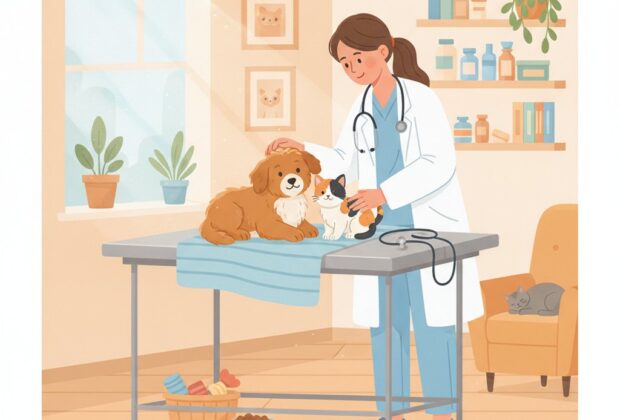
Bringing home a new puppy or kitten is exciting, but those first twelve months are also the most medically important period of your pet's life. A well-planned vet visit schedule during this window lays the foundation for lifelong health, catching congenital issues early, building immunity through vaccines, and establishing a growth baseline your veterinarian will reference for years to come. Unlike adult pets who may only need annual checkups, young animals require a more frequent and structured series of appointments.
Why the First Year Requires More Frequent Visits
Puppies and kittens are born with immature immune systems that rely initially on antibodies from their mother's milk. As that protection fades over the first few months, vaccines must be introduced in a carefully timed series to prevent gaps where your pet is vulnerable to serious diseases like parvovirus, distemper, or feline panleukopenia. This is why a young pet's vet visit schedule looks nothing like that of an adult animal, as discussed more broadly in our guide on how often you should take your pet to the vet. Frequent early visits also allow your veterinarian to monitor weight gain, skeletal development, and behavior, identifying issues such as heart murmurs, hernias, or parasites before they become serious.
Building a Health Record From Day One
Each early visit contributes to a growing medical history that becomes invaluable later in life. Baseline bloodwork, growth curves, and dental development notes taken during puppyhood or kittenhood give your vet a reference point to detect abnormalities as your pet ages—something that becomes especially relevant when transitioning to the less frequent checkup patterns described in our article on senior pet vet checkups.
The Recommended Vet Visit Schedule by Age
While individual needs vary by breed, breeder recommendations, and regional disease risk, most veterinarians follow a similar framework for the first year.
6 to 8 Weeks: The First Appointment
The initial visit typically happens shortly after a puppy or kitten is weaned. Your vet will perform a full physical exam, check for congenital defects, test a stool sample for intestinal parasites, and administer the first round of core vaccines along with a deworming treatment. This appointment also establishes a baseline weight and discusses nutrition appropriate for the breed and size of your new pet.
10 to 12 Weeks: Second Round of Vaccines
Around a month later, your pet returns for booster vaccines that reinforce immunity as maternal antibodies continue to wane. This visit often includes a second deworming dose, since parasites can persist or be reintroduced even after initial treatment. Your veterinarian will also track growth progress and discuss early socialization and training.
14 to 16 Weeks: Final Puppy/Kitten Vaccines
This visit usually completes the core vaccine series, including rabies vaccination in most regions. By this point, most pets have received full protection against the most dangerous and common infectious diseases. Your vet will also evaluate adult teeth eruption and discuss any behavioral concerns that have emerged as your pet becomes more active and curious.
4 to 6 Months: Spay/Neuter Consultation
Many veterinarians recommend scheduling spay or neuter surgery within this window, though timing can vary based on breed size and individual health factors. This visit often includes a pre-surgical exam and bloodwork to ensure your pet is healthy enough for anesthesia. Discussing the right timing with your vet is important, as some larger breeds benefit from delaying the procedure until closer to a year of age for proper joint development.
6 Months: Post-Surgery Checkup
If your pet was spayed or neutered, a follow-up visit confirms proper healing and addresses any post-operative concerns. This is also a good time to revisit nutrition plans, as energy requirements shift once a pet is sterilized.
12 Months: The First Annual Exam
By the one-year mark, your puppy or kitten has typically transitioned into young adulthood. This visit marks the shift from the intensive early vet visit schedule to a more standard annual or biannual rhythm. Your vet will conduct a comprehensive exam, update any remaining vaccines, and discuss long-term preventive care including parasite control and dental health.
Deworming and Parasite Prevention Timelines
Intestinal parasites are extremely common in young animals and can cause symptoms ranging from mild digestive upset to severe anemia. Most veterinarians recommend deworming treatments at two, four, six, and eight weeks of age, followed by monthly preventives once your pet is old enough. Heartworm, flea, and tick prevention should typically begin around 8 weeks for puppies and slightly later for kittens, depending on the product and regional risk factors. Your vet will tailor this schedule based on your pet's environment and exposure risk.
Vaccination Timeline Overview
Below is a general overview of the vaccines typically administered during a puppy or kitten's first year, though your veterinarian may adjust this based on lifestyle and regional disease prevalence:
- 6-8 weeks: Distemper/parvovirus combo (dogs) or FVRCP combo (cats), first deworming
- 10-12 weeks: Booster of combo vaccine, possible leptospirosis or bordetella (dogs), continued deworming
- 14-16 weeks: Final combo booster, rabies vaccine
- 6 months: Spay/neuter procedure, post-op checkup
- 12 months: Rabies booster, annual wellness exam
Why Skipping Early Visits Can Cause Long-Term Problems
It can be tempting to skip a visit if your puppy or kitten seems healthy and energetic, but doing so can leave dangerous gaps in vaccine protection or allow parasites to go untreated. Many infectious diseases prevented by early vaccination are life-threatening and highly contagious, particularly in multi-pet households or areas with unvaccinated strays. Sticking to the recommended vet visit schedule ensures your pet receives timely protection exactly when it's needed, rather than catching up after exposure has already occurred.
Monitoring Growth and Development
Beyond vaccines, these early visits are an opportunity to track whether your pet is growing at a healthy rate for its breed and size. Veterinarians use growth charts and physical exams to catch orthopedic issues, congenital heart conditions, or nutritional deficiencies early, when they are often easier and less costly to address.
Transitioning to Adult Vet Visit Frequency
Once your puppy or kitten completes its first year of care, most healthy pets shift to an annual wellness exam, though some veterinarians recommend biannual visits for breeds prone to specific health issues. This transition mirrors the broader guidance covered in our overview of how often pets should see the vet, and it's worth noting that visit frequency will likely increase again later in life, as explained in our discussion of senior pet checkup schedules.
Final Thoughts
The first year of a puppy or kitten's life is packed with critical medical milestones, from vaccinations and deworming to spay/neuter planning and growth monitoring. Following a structured vet visit schedule during this period isn't just a formality—it's one of the most important investments you can make in your pet's long-term health. By staying consistent with these early appointments, you give your new companion the strongest possible start, setting the stage for a healthier, longer life ahead.