
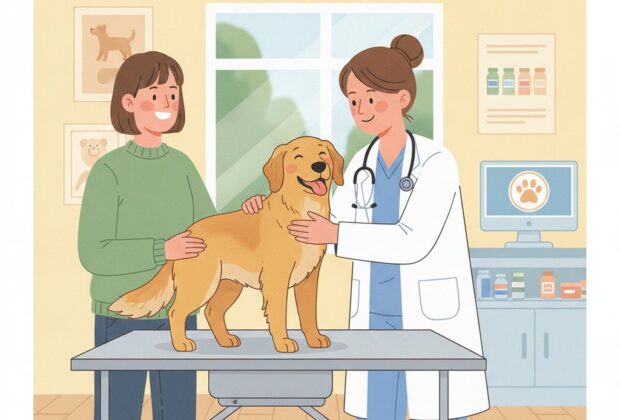
How Often Should You Take Your Pet to the Vet?
If you've ever wondered how often you should take your pet to the vet, you're not alone. Many pet owners wait until something seems wrong before scheduling a visit, but regular veterinary care is one of the most effective ways to catch problems early, extend your pet's life, and avoid costly emergency treatments down the road. The right frequency depends on several factors, including your pet's age, species, breed, and overall health status. This guide breaks down exactly what you need to know so you can build a sensible, budget-friendly care schedule for your furry companion.
Why Regular Vet Visits Matter
Pets can't tell you when something hurts, and many animals instinctively hide signs of illness or pain until a condition has progressed significantly. This is especially true for cats, who are notorious for masking discomfort. Routine veterinary visits allow a trained professional to spot subtle changes in weight, behavior, dental health, and organ function long before you'd notice anything at home. Preventive care, including vaccinations and parasite control, also protects your pet from diseases that are far more expensive and difficult to treat once symptoms appear.
Beyond physical health, regular visits help build a relationship between your veterinarian and your pet, making future appointments less stressful and giving the vet a baseline understanding of what's "normal" for your animal.
Vet Visit Frequency by Life Stage
There's no single answer to how often you should take your pet to the vet because needs change dramatically throughout an animal's life. Here's a general breakdown by life stage.
Puppies and Kittens
Young animals require the most frequent veterinary attention. Between birth and six months of age, puppies and kittens typically need a series of visits every three to four weeks for vaccinations, deworming, and developmental checkups. This is a critical window for building immunity and catching congenital issues early. For a detailed breakdown of exactly when each shot and checkup should happen, see our dedicated guide on the vet visit schedule for puppies and kittens.
Adult Pets (1-7 years)
Once your pet reaches adulthood and has completed its initial vaccine series, an annual wellness exam is generally sufficient for healthy animals. These yearly visits typically include a physical exam, weight check, dental assessment, booster vaccinations as needed, and parasite screening. If your pet has a chronic condition such as allergies, diabetes, or joint issues, your vet may recommend more frequent monitoring, sometimes every three to six months.
Senior Pets
As pets age, their bodies become more susceptible to conditions like arthritis, kidney disease, heart problems, and cancer. Most veterinarians recommend transitioning to twice-yearly checkups once a dog or cat reaches senior status, which generally begins around age seven, though this varies by breed and size. Larger dog breeds tend to age faster and may need this increased frequency even earlier. For a deeper look at age-specific recommendations and what senior bloodwork panels typically involve, check out our guide on how often senior pets need vet checkups.
Does the Type of Pet Matter?
While dogs and cats are the most commonly discussed pets, other animals have their own veterinary needs. Rabbits, guinea pigs, and other small mammals often benefit from annual exams with a vet who specializes in exotic or small animal care. Birds should see an avian vet at least once a year, as they're skilled at hiding illness. Reptiles typically need less frequent visits but still benefit from an annual checkup to monitor shell, skin, or shedding health. Regardless of species, the core principle remains the same: proactive care catches problems before they become emergencies.
What Happens During a Routine Checkup
Understanding what a standard veterinary visit involves can help ease anxiety for both you and your pet. A typical wellness exam includes:
- Physical examination: The vet checks your pet's eyes, ears, teeth, skin, coat, heart, lungs, and abdomen for abnormalities.
- Weight and body condition assessment: Sudden weight gain or loss can signal underlying health issues.
- Vaccinations: Core and non-core vaccines are administered or updated based on your pet's lifestyle and risk factors.
- Parasite prevention: Tests for heartworm, fleas, ticks, and intestinal parasites, along with preventive medication recommendations.
- Dental evaluation: Oral health is closely tied to overall health, and many vets recommend professional cleanings based on tartar buildup.
- Bloodwork and diagnostics: Especially important for senior pets or those with chronic conditions, bloodwork can reveal issues with kidney, liver, or thyroid function before symptoms arise.
Your vet will also ask about your pet's diet, exercise routine, behavior changes, and any concerns you've noticed at home, so it's worth keeping a mental (or written) log between visits.
Warning Signs That Require an Immediate Vet Visit
While routine checkups follow a predictable schedule, certain symptoms mean you shouldn't wait for the next scheduled appointment. You should take your pet to the vet right away if you notice any of the following:
- Difficulty breathing or persistent coughing
- Vomiting or diarrhea lasting more than 24 hours
- Sudden loss of appetite or refusal to drink water
- Lethargy or collapse
- Visible pain, limping, or inability to move normally
- Bloated or distended abdomen
- Seizures or disorientation
- Blood in urine, stool, or vomit
- Known ingestion of a toxic substance, such as chocolate, xylitol, or certain plants
- Significant swelling, especially around the face (which can indicate an allergic reaction)
When in doubt, it's always safer to call your vet's office or an emergency animal hospital for guidance rather than waiting to see if symptoms resolve on their own.
Signs Your Pet May Need More Frequent Visits
Beyond emergencies, some pets simply need closer monitoring than the standard annual or biannual schedule. Consider more frequent visits if your pet:
- Has been diagnosed with a chronic illness like diabetes, kidney disease, or hyperthyroidism
- Is overweight or underweight and on a managed diet plan
- Is recovering from surgery or a major illness
- Shows early signs of dental disease
- Is a brachycephalic breed (like bulldogs or pugs) prone to respiratory issues
- Has a history of recurring ear or skin infections
Your veterinarian is the best resource for determining a personalized schedule based on your pet's specific health profile.
Budgeting for Veterinary Care
One of the biggest reasons pet owners delay care is cost. However, skipping routine visits often leads to more expensive problems later, since untreated conditions tend to worsen over time. Here are some practical ways to manage veterinary expenses:
- Pet insurance: Enrolling your pet while they're young and healthy can significantly reduce out-of-pocket costs for unexpected illnesses or injuries.
- Wellness plans: Many veterinary clinics offer monthly payment plans that bundle routine care like exams, vaccines, and dental cleanings into a predictable monthly fee.
- Savings account: Setting aside a small amount each month specifically for pet care can help cushion the cost of both routine and emergency visits.
- Nonprofit and low-cost clinics: Many communities have low-cost vaccination clinics or nonprofit veterinary services for pet owners facing financial hardship.
- Ask about costs upfront: Don't hesitate to ask your vet for an estimate before agreeing to tests or treatments, and inquire about generic medication options when available.
Preventive care is almost always more affordable than emergency treatment, so investing in regular checkups is one of the smartest financial decisions you can make as a pet owner.
Building a Vet Visit Schedule That Works for You
To summarize, how often you take your pet to the vet depends largely on life stage and health status. Puppies and kittens need visits every few weeks during their first several months, healthy adult pets typically do well with one annual exam, and senior pets usually benefit from checkups every six months. Pets with chronic conditions may need even more frequent monitoring, and any sudden or severe symptoms warrant an immediate visit regardless of your pet's regular schedule.
The best approach is to work closely with your veterinarian to create a personalized care plan, mark important appointments on a calendar, and stay alert to changes in your pet's behavior or appearance between visits. By staying proactive rather than reactive, you'll help your pet live a longer, healthier, and more comfortable life.