
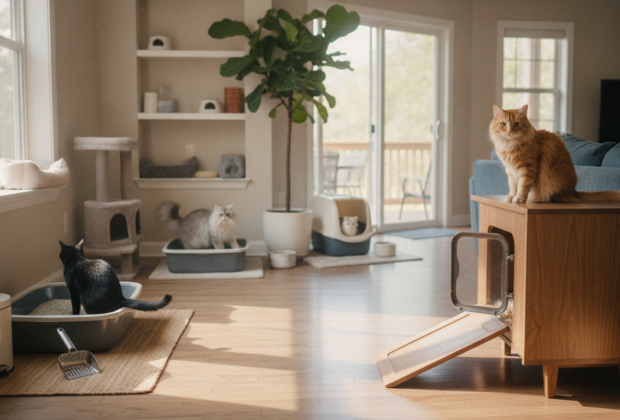
Living with multiple cats brings double (or triple) the joy—but also unique challenges, especially when it comes to litter box arrangements. A poorly planned multi-cat litter box setup can lead to territorial disputes, inappropriate elimination, and unnecessary stress for both cats and owners. Getting the setup right from the start can save you countless headaches and keep your feline family happy and healthy.
Why Multi-Cat Households Need a Different Approach
Cats are territorial by nature, and litter boxes are prime real estate in their world. Unlike dogs, cats don't typically enjoy sharing resources, and a shared litter box can become a source of anxiety or conflict. When multiple cats are forced to compete for a single box, you may see behavioral issues like litter box avoidance, spraying, or increased aggression between cats.
Understanding your cats' individual personalities and social dynamics is the first step toward designing a setup that minimizes stress and maximizes cleanliness.
The Golden Rule: Number of Boxes
The most widely recommended guideline among veterinarians and animal behaviorists is simple: one litter box per cat, plus one extra. This means if you have two cats, you should ideally have three litter boxes. For three cats, aim for four boxes, and so on.
Why the Extra Box Matters
The additional box isn't just a nice-to-have—it's crucial for preventing bottlenecks during peak bathroom times and giving more timid cats an alternative if a dominant cat is guarding a particular box. It also provides backup if one box becomes soiled before you have a chance to clean it.
Strategic Placement Throughout Your Home
Where you place the boxes matters just as much as how many you have. Clustering all litter boxes in one room defeats the purpose of having multiple boxes, since a single cat can still control access to that entire area.
Spread Them Across Different Locations
Distribute litter boxes across different rooms and even different floors if you have a multi-story home. This allows cats to have their own private, easily accessible spots without needing to cross another cat's path or territory to relieve themselves.
Avoid High-Traffic and Noisy Areas
Cats prefer quiet, low-traffic areas for their bathroom needs. Avoid placing boxes near loud appliances like washing machines or in areas with heavy foot traffic. A stressed or startled cat during elimination may develop negative associations with that box location.
Choosing the Right Box Style for Multiple Cats
Litter box style can significantly impact whether your cats will actually use them consistently.
Open vs. Covered Boxes
While covered boxes may seem like a tidy solution for odor control, many cats—especially in multi-cat households—prefer open boxes. Covered boxes can trap odors inside, making them less appealing, and they can also make a cat feel trapped or ambushed by another cat while inside.
Size Matters
Litter boxes should be at least one and a half times the length of your cat from nose to tail. In multi-cat homes, larger boxes give cats more room to dig, turn around, and feel secure, reducing the likelihood of accidents outside the box.
Litter Type and Consistency
Once you've settled on a setup, try to maintain consistency in the type of litter you use across all boxes. Cats can be particular about texture and scent, and sudden changes may lead to litter box avoidance. Unscented, clumping litter is generally the safest choice for multi-cat households, as strong fragrances can be overwhelming or even deter some cats from using the box altogether.
Maintenance: The Key to Long-Term Success
Even the best multi-cat litter box setup will fail without proper maintenance. Multiple cats mean multiple deposits, and boxes can become soiled quickly.
Daily Scooping Is Non-Negotiable
Scoop each box at least once a day, ideally twice if you have several cats. A dirty box is one of the top reasons cats seek alternative bathroom spots, such as carpets or corners.
Regular Full Cleanings
Beyond daily scooping, fully empty, wash, and refill each box with fresh litter every one to two weeks. This prevents odor buildup and bacterial growth that can make cats reluctant to use the box.
Monitoring for Behavioral Issues
Keep an eye on your cats' litter box habits. If you notice one cat consistently guarding a box or another cat avoiding certain areas, you may need to reassess your layout. Sometimes adding an additional box or changing placement resolves these issues quickly.
Final Thoughts
Designing the ideal multi-cat litter box setup takes a bit of planning, but the payoff is a cleaner home and happier, less stressed cats. By following the one-per-cat-plus-one rule, spreading boxes across various locations, choosing appropriate box styles, and staying consistent with maintenance, you'll create an environment where all your cats feel comfortable and secure.