
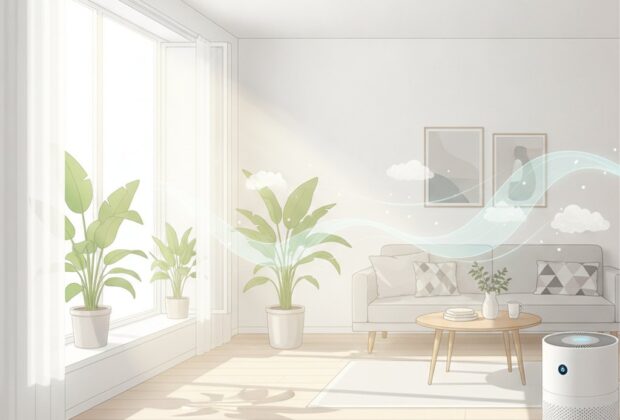
Why Indoor Air Quality Matters
Most people spend the majority of their time indoors, yet indoor air can be significantly more polluted than outdoor air. Poor indoor air quality has been linked to headaches, fatigue, allergies, and long-term respiratory issues. Understanding how to improve indoor air quality at home is essential for protecting your family's health and creating a more comfortable living environment.
Common Indoor Air Pollutants
Before tackling solutions, it helps to know what you're dealing with. Common culprits include:
- Dust and dander: Accumulates in carpets, upholstery, and bedding.
- Volatile organic compounds (VOCs): Released by paints, cleaning products, and furniture.
- Mold and mildew: Thrives in damp, poorly ventilated areas.
- Pet hair and allergens: A major contributor in households with animals.
- Cooking fumes and smoke: Especially in kitchens with limited airflow.
Improve Airflow Through Ventilation
Proper ventilation is one of the most effective ways to reduce indoor pollutant concentration. Opening windows regularly, using exhaust fans in kitchens and bathrooms, and ensuring HVAC systems are well-maintained all contribute to fresher air. For a deeper dive into low-cost airflow strategies, our guide on Natural Ways to Ventilate Your Home covers seasonal techniques and cross-ventilation tips in detail.
Use Filtration to Capture Pollutants
Filtration systems, from HVAC filters to standalone units, trap particles that ventilation alone can't remove. Choosing the right filter rating (MERV or HEPA) makes a meaningful difference in air cleanliness. If you're considering a dedicated device, our detailed guide to the Best Air Purifiers for Cleaner Home Air breaks down features, room sizing, and maintenance considerations to help you choose confidently.
Add Houseplants Strategically
While houseplants alone won't replace mechanical ventilation or filtration, certain species like spider plants, peace lilies, and snake plants can help absorb some airborne toxins and add humidity balance. Place them in well-lit rooms and avoid overwatering, which can introduce mold risk.
Control Humidity Levels
Indoor humidity should ideally stay between 30% and 50%. Excess moisture encourages mold and dust mites, while overly dry air can irritate airways. Dehumidifiers work well in damp basements, while humidifiers help in dry winter climates. Monitoring with a simple hygrometer takes the guesswork out of humidity control.
Adopt Better Cleaning Habits
Regular cleaning routines directly reduce the buildup of dust, pet dander, and allergens. Consider the following habits:
- Vacuum with a HEPA-filter vacuum weekly.
- Wash bedding and curtains regularly in hot water.
- Use low-VOC or fragrance-free cleaning products.
- Dust surfaces with a damp cloth rather than dry dusting.
Room-by-Room Checklist
Bedroom
Wash bedding weekly, use hypoallergenic pillow covers, and keep windows cracked when weather allows.
Kitchen
Run exhaust fans while cooking, clean range hoods regularly, and avoid leaving trash uncovered.
Bathroom
Use exhaust fans during and after showers, fix leaks promptly, and clean grout to prevent mold growth.
Living Room
Vacuum upholstery regularly, avoid synthetic air fresheners, and rotate houseplants for even air circulation.
Final Thoughts
Improving indoor air quality at home doesn't require a single dramatic fix—it's the combination of good ventilation, effective filtration, humidity control, and consistent cleaning habits that makes the biggest impact. Start with small changes in each room, and over time you'll notice a fresher, healthier living environment for you and your family.