
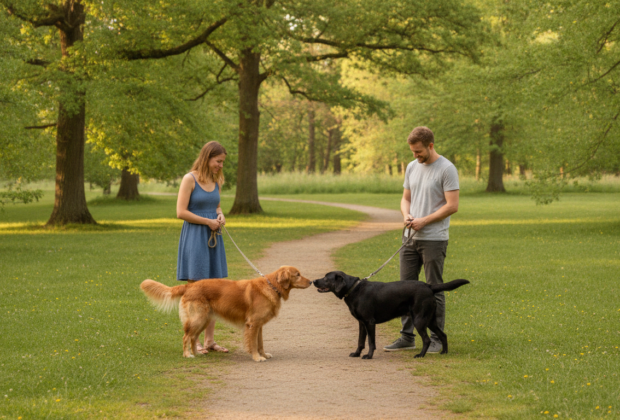
Bringing a new dog home is exciting, but if you already have a dog, the introduction process can make or break the relationship between the two animals. Dogs are territorial by nature, and a rushed or poorly managed first meeting can lead to fear, tension, or outright fights that are hard to undo. The good news is that with the right approach, most dogs can learn to coexist peacefully -- and often become great companions. This guide walks you through exactly how to introduce a new dog to your resident dog, step by step, so you can avoid common mistakes and set both dogs up for success.
If you haven't already, it's worth reading our complete guide to introducing a new dog to your household safely for the bigger picture, including prep work before the dog even arrives. This article focuses specifically on the dog-to-dog dynamic.
Why Neutral Territory Matters for the First Meeting
One of the most important rules of dog-to-dog introductions is to never let the first meeting happen inside your home or yard. Your resident dog sees these spaces as their territory, and a strange dog suddenly appearing there can trigger defensive or possessive behavior. Instead, choose a neutral location -- a quiet park, a neighbor's yard, or a calm street -- where neither dog feels ownership over the space.
Neutral territory removes the pressure of territorial defense and allows both dogs to focus on each other rather than guarding resources or space. This single step prevents a huge percentage of introduction conflicts before they even start.
Reading Body Language Before, During, and After the Meeting
Understanding canine body language is essential for a safe introduction. Watch for these signals throughout the process:
- Relaxed signals: loose, wagging tails, soft eyes, play bows, relaxed ears, and curved body posture.
- Warning signals: stiff body, raised hackles, direct prolonged eye contact, growling, showing teeth, or a tucked tail.
- Stress signals: yawning, lip licking, panting when it's not hot, pacing, or trying to move away.
If you see warning signals, calmly create distance between the dogs and try again after a few minutes. Never force interaction if either dog seems fearful or aggressive -- patience at this stage prevents long-term problems.
Step-by-Step: The First Meeting
Step 1: Two Handlers, Two Leashes
Have one handler per dog, each holding a leash loosely to avoid transmitting tension down the line. Keep the leashes slack -- a tight leash can signal anxiety to the dog and provoke defensive behavior.
Step 2: Parallel Walking
Start by walking both dogs in parallel, several feet apart, moving in the same direction. This lets them observe and smell each other from a safe distance without direct confrontation. Gradually decrease the distance between them over several minutes if both dogs remain relaxed.
Step 3: Brief, Controlled Sniffing
Allow a short greeting of five to ten seconds where the dogs can sniff each other. Then calmly call them apart before any tension builds. Repeat this a few times, extending the duration slightly each time the dogs stay relaxed.
Step-by-Step: The First Walk Together
Once the initial meeting goes well, take both dogs on a walk together, still on separate leashes with separate handlers. Walking side by side reinforces a sense of partnership rather than competition, and the forward motion naturally reduces face-to-face confrontation. This shared activity is often a turning point where dogs start to see each other as companions rather than intruders.
Step-by-Step: Bringing the Dogs Home
After a successful walk, bring both dogs into the yard together before heading inside. Let them explore the outdoor space together under supervision. Only once they seem comfortable should you move the introduction indoors -- ideally with the resident dog's most valuable items (food bowls, favorite toys, bedding) temporarily put away to avoid triggering resource guarding.
Keep the first indoor session short and calm. Supervise closely, and separate the dogs using baby gates or crates when you can't actively watch them, especially during the first few weeks.
Preventing Resource Guarding
Resource guarding is one of the most common causes of conflict between dogs sharing a home. To prevent it:
- Feed dogs in separate locations or crates, at least initially.
- Provide multiple water bowls in different areas of the house.
- Remove high-value toys and chews until the dogs have a stable relationship.
- Give each dog their own bed or resting space.
- Avoid giving affection or treats to both dogs in a way that creates competition for your attention.
Troubleshooting Signs of Tension
Some friction during the adjustment period is normal, but persistent growling, stiff posturing, or repeated avoidance should not be ignored. If tension escalates:
- Separate the dogs immediately and calmly -- avoid yelling, which can raise stress levels further.
- Go back a step in the introduction process, such as returning to parallel walks before trying indoor time again.
- Consult a professional dog trainer or behaviorist if fights occur or if either dog shows persistent fear or aggression.
Never punish growling, as it's a warning signal that helps prevent bites. Instead, address the underlying cause of the stress.
How Long Does Bonding Typically Take?
Every pair of dogs is different, but most households see noticeable improvement within two to four weeks, with full comfort and routine established within one to three months. Some dogs become fast friends within days, while others need a slower, more gradual process spanning several months. Age, breed tendencies, past experiences, and individual temperament all play a role in how quickly dogs bond.
Patience is key -- rushing the process to speed up bonding often backfires. Consistent, calm, and structured introductions give both dogs the best chance at a lasting, positive relationship.
For a broader look at preparing your entire household -- including managing multi-pet dynamics with cats or small animals -- see our guide on introducing a new dog to cats and other household pets.