
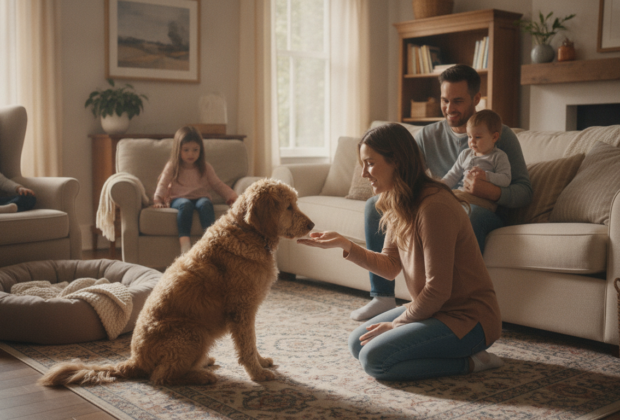
Welcoming a new dog into your home is an exciting milestone, but it can also be a stressful transition for everyone involved—including your existing pets, family members, and the new dog itself. A rushed or poorly planned introduction can lead to fear, territorial behavior, or even fights that damage trust before it has a chance to build. The good news is that with proper preparation and a patient, structured approach, you can set your household up for a smooth, successful transition.
This guide walks you through everything you need to know before, during, and after bringing your new dog home, so every member of your family—two-legged and four-legged alike—feels comfortable and secure.
Before the Big Day: Preparing Your Home
Preparation is the foundation of a safe introduction. Taking time to set up your space and gather supplies before your new dog arrives reduces chaos and helps everyone start off on the right paw.
Dog-Proof Your Space
Walk through your home from a dog's-eye view. Remove or secure items like loose wires, toxic plants, small objects that could be chewed or swallowed, and food left within reach. Block off areas that aren't ready for a new pet, such as rooms with fragile items or restricted access to other pets.
Gather Essential Supplies
Have the basics ready in advance:
- A crate or designated safe space with bedding
- Food and water bowls, along with a bag of the same food the dog was previously eating (to avoid digestive upset)
- A leash, collar or harness, and ID tag
- Baby gates or barriers to control access between rooms
- Enzymatic cleaner for accidents
- Toys and chews to redirect energy and anxiety
Establish House Rules in Advance
Decide as a family where the dog will sleep, which furniture is off-limits, and who is responsible for feeding, walks, and training. Consistency from day one prevents confusion and mixed signals that can slow down adjustment.
The First Meeting: Setting the Tone
How you handle the first few hours can shape your new dog's initial impression of their environment. The goal is to keep things calm, quiet, and low-pressure.
Choose a Neutral, Low-Stress Arrival
If possible, arrange for the dog to arrive in a calm state—avoid bringing them home during a chaotic moment like a holiday gathering or right after a long, stressful car ride. Give them a few minutes to sniff around outside before heading indoors.
Introduce One Space at a Time
Rather than letting your new dog explore the entire house immediately, start with one designated area, such as a living room or bedroom. Gradually expand their access over the following days as they become more comfortable and show relaxed body language.
Keep Initial Interactions Short and Positive
Limit the number of people greeting the dog at once, especially with children. Encourage calm, quiet energy rather than excited petting or loud voices, which can overwhelm a dog who is already processing a lot of new stimuli.
Introducing Family Members Safely
Every family member should understand how to approach a new dog respectfully to build trust from the start.
Teach Children Proper Greeting Etiquette
Children should be taught to let the dog approach them rather than rushing toward the dog. Sitting quietly and allowing the dog to sniff a hand before petting helps the dog feel in control of the interaction. Always supervise young children around a new dog, even if the dog seems friendly.
Give the Dog an Escape Route
Never corner a new dog during greetings. Make sure they always have a clear path to retreat to their safe space, such as a crate, if they feel overwhelmed. This is one of the most effective ways to prevent fear-based reactions.
Introducing Other Pets in the Household
If you already have pets at home, their introduction to the newcomer requires extra care and a slower pace than a typical family greeting. Rushing this step is one of the most common causes of conflict between pets.
For a detailed, step-by-step process on introducing your new dog to a resident dog—including how to manage body language, use neutral territory, and prevent resource guarding—see our dedicated guide on how to introduce a new dog to your resident dog without fights.
If your household includes cats or other small pets, the approach is different and requires additional precautions to keep everyone safe. Our guide on introducing a new dog to cats and other household pets walks through a step-by-step safety plan tailored to those unique dynamics.
The First Week: Building Routine and Trust
The first week sets the tone for your dog's long-term behavior and comfort level in their new home. Structure and predictability are key during this period.
Stick to a Consistent Schedule
Feed, walk, and let your dog out at the same times each day. Predictability reduces anxiety and helps your dog understand what to expect, which builds confidence faster than an unpredictable routine.
Limit Overstimulation
Avoid large gatherings, dog parks, or overwhelming outings during the first week or two. Let your dog decompress and bond with your immediate household before introducing new environments and people.
Watch for Signs of Stress or Anxiety
Common signs include excessive panting, pacing, hiding, lip licking, yawning, or a tucked tail. If you notice these behaviors, give your dog more space and reduce the intensity of interactions until they seem more relaxed.
Recognizing Signs of Aggression Early
While mild tension is normal during an adjustment period, it's important to recognize warning signs that indicate a more serious problem. Watch for stiff body posture, prolonged direct staring, raised hackles, growling, or snapping. If you notice these signs—whether directed at people or other pets—separate the animals or individuals immediately and consult a professional trainer or behaviorist before attempting further introductions.
When to Call in Professional Help
Not every situation resolves with time alone. If you notice persistent fear, resource guarding, or aggression that doesn't improve after the first couple of weeks, a certified dog trainer or veterinary behaviorist can provide tailored strategies. Early intervention is far more effective than waiting for problems to escalate.
Final Thoughts
Introducing a new dog to your household safely is a process, not a single event. By preparing your home in advance, managing first meetings with care, and giving your family—both human and animal—time to adjust at their own pace, you lay the groundwork for a happy, harmonious home. Patience during these early weeks pays off in the form of a confident, well-adjusted dog and a household where everyone feels safe.