
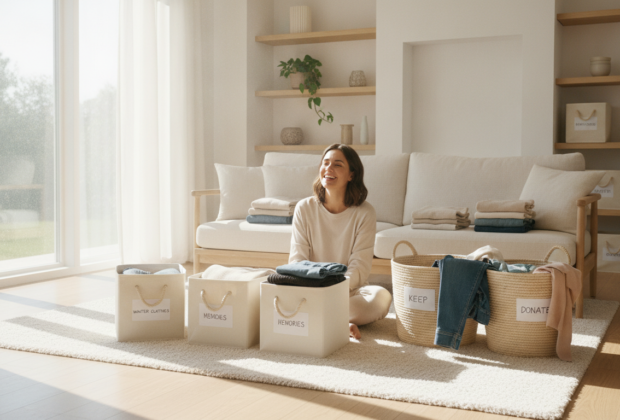
Clutter has a sneaky way of creeping into every corner of our homes. It piles up on countertops, stuffs itself into closets, and hides under beds until one day we look around and wonder how it all got so out of control. If you're ready to reclaim your space and your sanity, this decluttering guide will walk you through your entire home, room by room, with practical strategies that actually work.
Decluttering isn't about achieving a magazine-perfect minimalist home overnight. It's about creating a living space that feels calm, functional, and truly yours. Let's break down exactly how to tackle each room without feeling overwhelmed.
Why a Room-by-Room Approach Works Best
Trying to declutter your entire house in one weekend is a recipe for burnout. Instead, focusing on one room at a time allows you to see tangible progress, stay motivated, and make thoughtful decisions about what stays and what goes. This decluttering guide breaks the process into manageable chunks so you never feel like you're drowning in garbage bags and donation boxes.
Set a Realistic Timeline
Depending on the size of your home, plan to spend anywhere from a weekend to a full month working through every space. There's no rush. Slow, steady progress is far more sustainable than an exhausting all-nighter that leaves you too tired to finish the job properly.
The Entryway: Your Home's First Impression
Start where guests first step inside. Entryways tend to accumulate shoes, coats, mail, and random items that never found a permanent home. Clear out anything that doesn't belong here, add a designated basket for keys and mail, and limit shoe storage to what's actually in rotation for the current season.
The Living Room: Create a Space for Relaxing
Living rooms often become a catch-all for magazines, remote controls, blankets, and toys. Begin by removing anything that doesn't serve the room's primary purpose: relaxing and connecting with family. Sort through media consoles, bookshelves, and coffee table drawers. Keep only decor and items that you use or genuinely love.
Tackle Bookshelves and Media Storage
Go through every book, DVD, and knick-knack. Ask yourself honestly if you'll ever read or use it again. Donate what no longer serves you and organize the rest in a way that's both functional and visually pleasing.
The Kitchen: Streamline for Daily Function
Kitchens are notorious for hidden clutter—mismatched containers, duplicate gadgets, and expired pantry items. Empty each cabinet and drawer completely, wipe it down, and only put back what you actually use regularly. A good rule of thumb: if you haven't used a gadget in over a year, it's probably safe to let it go.
Pantry and Fridge Organization
Check expiration dates and toss anything past its prime. Group similar items together and consider clear bins to keep things visible and accessible. This small habit alone can dramatically reduce food waste and mealtime stress.
The Bedroom: A Sanctuary for Rest
Your bedroom should feel like a peaceful retreat, not a storage unit. Clear surfaces like nightstands and dressers of anything that isn't essential. Under-the-bed storage should be reserved for seasonal items only, not a dumping ground for forgotten belongings.
Closet Decluttering Strategy
Try the hanger trick: turn all your hangers backward, and after wearing an item, turn the hanger the right way. After a few months, anything still facing backward hasn't been worn and is a strong candidate for donation. Sort clothes into keep, donate, and discard piles, and be honest about what actually fits your current lifestyle and body.
The Bathroom: Small Space, Big Impact
Bathrooms fill up fast with expired products, duplicate toiletries, and old towels. Go through every drawer and cabinet, tossing expired medications and makeup. Keep only the products you use consistently, and consider a simple storage system for what remains.
The Home Office: Boost Productivity Through Organization
A cluttered desk often leads to a cluttered mind. Sort through papers, cords, and office supplies. Shred documents you no longer need, digitize what you can, and create a filing system for anything requiring physical storage. Keep your desk surface clear except for the essentials you use daily.
Kids' Rooms: Involve the Whole Family
Decluttering children's spaces works best when kids are involved in the process. Let them help decide which toys and clothes to keep, donate, or discard. This teaches valuable lessons about mindful consumption while keeping their rooms functional and safe.
Maintaining Your Decluttered Home
The real challenge isn't decluttering once—it's keeping clutter from creeping back in. Adopt a simple rule: for every new item that enters your home, one similar item should leave. Schedule a quick 15-minute tidy session weekly to prevent small messes from becoming overwhelming projects again.
Final Thoughts
Decluttering your home room by room is a journey, not a race. By tackling each space with intention and patience, you'll create a home that feels lighter, more organized, and genuinely enjoyable to live in. Start with just one room today, and watch how quickly momentum builds toward a completely clutter-free home.