
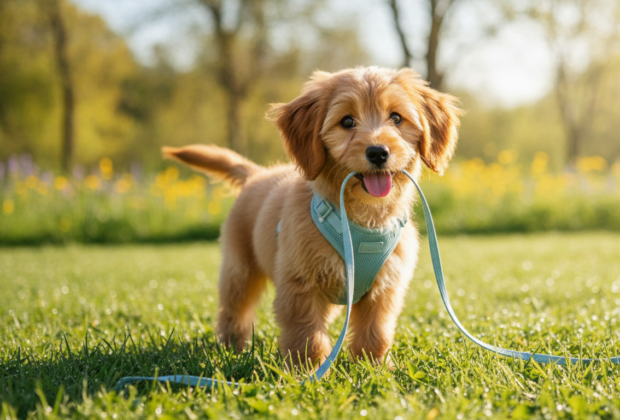
Bringing home a new puppy means building good habits from day one, and choosing the best leash for puppy training is one of the most important decisions you'll make early on. Puppies grow fast, their behavior changes constantly, and the wrong leash can slow down training or even create fear around walks. This guide breaks down what to look for and how to introduce a leash the right way.
Why Puppies Need Different Leashes Than Adult Dogs
Puppies are smaller, lighter, and still developing coordination, so gear designed for full-grown dogs is often too heavy or bulky. A leash that's too thick or weighty can pull on a puppy's neck or shoulders, creating discomfort that makes them resist walking altogether. During training and growth stages, your puppy's leash should feel like an extension of your hand, not a burden.
Lightweight Materials Matter
Look for leashes made from soft nylon, lightweight leather, or biothane. These materials are gentle on tiny paws and hands, easy to clean, and flexible enough for a puppy still learning how to move on a leash. Avoid thick rope leashes or heavy-duty chains meant for stronger, larger breeds, as covered in our guide to best leashes for strong dogs that pull.
Shorter Lengths for Better Control
A standard 4 to 6-foot leash is ideal for puppy training. Shorter lengths give you more control in tight spaces, help prevent tangling around legs, and make it easier to correct behavior quickly. Extra-long leashes can be introduced later, once basic leash manners are established.
Adjustable Designs Grow With Your Puppy
Since puppies gain weight and height quickly, an adjustable leash and collar combination can save you money and hassle. Many training leashes now come with multiple clip points or extendable lengths, allowing you to modify the fit as your puppy grows into their adult body without needing to buy new gear every few weeks.
Types of Leashes for Different Training Goals
Training Leashes
Training leashes are typically short, sturdy, and designed for close-contact work like leash introduction, loose-leash walking, and basic obedience commands. They're the foundation for teaching your puppy how to walk politely by your side.
Long Lines for Recall Practice
Once your puppy has mastered the basics, a long line—usually 15 to 30 feet—becomes useful for recall training in open, safe areas. These leashes allow puppies to explore and practice coming back on command without the risk of running off completely.
Standard Walking Leashes
As your puppy matures, transitioning to a standard walking leash prepares them for everyday routines. This is a good time to revisit our complete guide to choosing the right leash for your dog's size and behavior, since adult dogs often need different features depending on temperament and strength.
Introducing a Leash for the First Time
The first leash experience can shape how your puppy feels about walks for years to come. Start indoors in a familiar, low-distraction environment. Let your puppy sniff and wear the leash for short periods while offering treats and praise. Avoid pulling or forcing movement; instead, use gentle encouragement and let your puppy set the pace initially.
Building Positive Associations
Pair the leash with something enjoyable, like a favorite toy or treat, so your puppy learns to associate it with good things rather than restriction. Gradually increase the duration of leash-wearing sessions before attempting your first short walk.
Transitioning Gear as Your Puppy Grows
As your puppy moves from the training phase into adolescence and adulthood, reassess their leash needs. A puppy that pulled gently at three months might grow into a strong adult dog requiring more supportive gear. Keep an eye on their behavior, strength, and walking habits, and be ready to upgrade to a leash that matches their evolving size and temperament.
Final Thoughts
Choosing the best leash for puppy training comes down to prioritizing comfort, control, and positive early experiences. Lightweight materials, appropriate lengths, and adjustable designs set the foundation for a lifetime of pleasant walks. As your puppy grows, don't hesitate to revisit your gear choices to ensure they continue supporting healthy, confident leash behavior.