
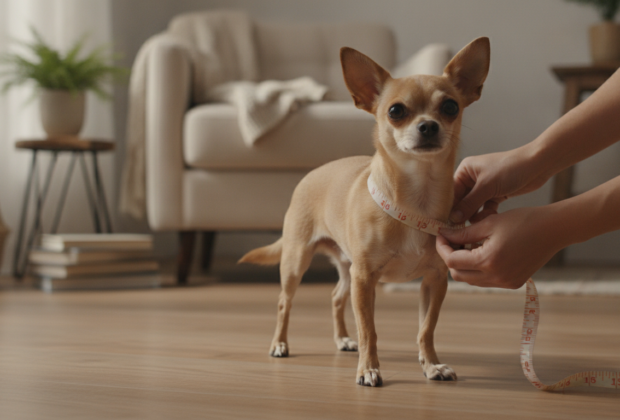
A harness that fits well can mean the difference between a happy, secure walk and a stressful tug-of-war with a dog who's constantly trying to wriggle free. Before you even start browsing options in our complete buying guide to the best dog harnesses for small breeds, the most important step is getting accurate measurements. Guess wrong, and you risk chafing, escape attempts, or a harness that restricts natural movement. Here's exactly how to measure your small dog like a pro.
Why Proper Measurement Matters So Much for Small Breeds
Small dogs have less margin for error than larger breeds. A half-inch discrepancy that barely registers on a Labrador can mean a Chihuahua slips right out of its harness, or a pug ends up with straps digging into sensitive skin folds. Small breeds also come in wildly varying body shapes, from the long, low frame of a dachshund to the barrel chest of a French bulldog, so relying on age or weight alone to pick a size is rarely reliable.
What You'll Need Before You Start
Grab a flexible, soft tape measure, the kind used for sewing, rather than a rigid metal one. If you don't have one handy, a piece of string and a ruler will work in a pinch. It also helps to have some treats on hand to keep your dog still and cooperative, along with a notepad to jot down numbers as you go.
Step 1: Measure the Chest Girth
Chest girth is the single most important measurement for harness fit, since most straps wrap around the widest part of the ribcage. With your dog standing naturally (not sitting or lying down), wrap the tape measure around the body just behind the front legs, at the widest point of the ribcage. The tape should sit snugly but not tight, you should be able to slide two fingers underneath comfortably. Round up to the nearest half inch and record this number.
Step 2: Measure the Neck
While not every harness style uses a neck measurement, many step-in and vest designs do. Wrap the tape around the base of the neck, roughly where a collar would normally sit. Again, aim for a snug fit with room for two fingers. This number is especially useful if you're comparing against a size chart that lists both neck and chest ranges.
Step 3: Measure Body Length
Body length matters most for harnesses with a longer back panel, and it's essential for elongated breeds. Measure from the base of the neck (where the collar sits) to the base of the tail, following the natural curve of the spine. Keep your dog standing upright and still for the most accurate reading.
Reading Manufacturer Size Charts Correctly
Once you have your three measurements, compare them against the specific brand's size chart rather than a generic breed size label like "small" or "XS." Sizing varies significantly between manufacturers, a size small from one brand might correspond to a medium from another. If your dog's measurements fall between two sizes, size up and rely on adjustable straps to fine-tune the fit, unless the brand's guidance suggests otherwise.
Breed-Specific Tips for Tricky Body Shapes
Dachshunds
Because of their long torsos and short legs, dachshunds need extra attention to body length as well as chest girth. Look for harnesses specifically labeled for long-bodied breeds, and double check that the chest strap doesn't ride up into the armpit area, which can cause chafing during walks.
Pugs and French Bulldogs
Brachycephalic breeds often have thick necks and wide, barrel-shaped chests relative to their size. Prioritize the chest girth measurement here, and avoid harnesses that rely heavily on neck pressure, since these breeds are prone to breathing difficulties. A Y-shaped or step-in design tends to distribute pressure more safely across the chest.
Chihuahuas and Toy Breeds
Tiny breeds require precise measurements since even small sizing errors can result in slipping out. Measure twice, and consider styles with multiple adjustment points so you can fine-tune the fit as needed, especially if your dog is still growing.
Signs Your Harness Doesn't Fit Right
Even with careful measuring, it's worth checking the fit once the harness is on. Watch for these warning signs:
- Chafing or red marks around the legs or armpits after a walk, indicating straps are too tight or positioned incorrectly.
- Escaping or backing out of the harness, a clear sign it's too loose, particularly around the neck or chest.
- Restricted movement, such as your dog struggling to walk normally or avoiding certain motions, which can mean straps are pinching.
- Excessive shifting where the harness rotates around the body during walks, suggesting the chest strap isn't snug enough.
If you notice any of these issues, don't hesitate to remeasure and try a different size or style. This is especially relevant if you're considering a no-pull harness for small dogs, since these designs rely on a precise fit to function correctly and redirect pulling safely.
Final Tips for a Comfortable Fit
Always remeasure every few months, especially for puppies or dogs prone to weight fluctuations. A harness that fit perfectly six months ago may no longer be accurate. Taking a few extra minutes now to measure carefully will save you the hassle of returns, ill-fitting gear, and an uncomfortable dog down the road.