
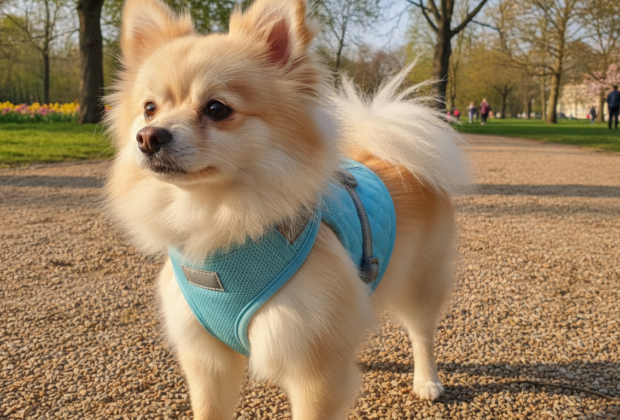
Choosing the right harness for your small dog isn't just about style — it's about safety, comfort, and control. Tiny breeds like Chihuahuas, Yorkies, and Pomeranians have delicate tracheas and small frames that make the wrong equipment risky. This guide walks you through everything you need to know before buying, from harness types to our top-rated picks for 2024.
Why Harnesses Are Safer Than Collars for Small Dogs
Small breeds are especially prone to tracheal collapse, a condition where the windpipe weakens over time. Every tug on a collar puts direct pressure on that fragile area. A well-fitted harness distributes pressure across the chest and shoulders instead, protecting your dog's neck while still giving you control on walks.
Harnesses also reduce the risk of your dog slipping out and bolting into traffic — a common issue with narrow-headed breeds like Greyhounds or slender Chihuahuas whose heads can easily wriggle out of a collar.
Types of Harnesses for Small Breeds
Step-In Harnesses
These are ideal for dogs who dislike having things pulled over their heads. You simply lay the harness on the ground, have your dog step into the leg holes, and clip it up on the back. They're quick and low-stress but offer slightly less adjustability than vest styles.
Vest Harnesses
Vest-style harnesses provide broader coverage and more padding, which is great for breeds prone to skin sensitivity or those who spend a lot of time in cold weather. They tend to distribute pressure more evenly across the body.
No-Pull Harnesses
Designed with a front-clip attachment, these redirect your dog's momentum back toward you when they pull, discouraging the behavior over time. If you're curious whether these actually work, we cover the pros and cons in detail in our guide on no-pull harnesses for small dogs.
Back-Clip vs. Front-Clip
Back-clip harnesses are best for calm walkers and everyday use, while front-clip designs offer more control for dogs who tend to pull. Some premium harnesses include both attachment points for versatility.
Key Features to Look For
- Adjustability: Multiple straps at the neck and chest ensure a snug, custom fit as your dog grows or gains/loses weight.
- Padding: Soft, breathable padding at the chest and belly prevents chafing, especially for long walks.
- Material: Look for durable, washable fabrics like mesh or nylon that hold up against weather and daily wear.
- Reflective Stitching: A great safety feature for evening walks.
- Sturdy Hardware: Metal D-rings and buckles are generally more durable than plastic for active dogs.
Top Picks by Category
Best Overall
Look for a harness with dual clip points, adjustable straps in at least four places, and breathable mesh lining — this combination suits the widest range of small breeds and activity levels.
Best for Pugs and French Bulldogs
Brachycephalic breeds need extra chest padding and a design that avoids pressure near the throat entirely. Vest-style harnesses with wide, padded straps are the safest choice for these flat-faced pups.
Best for Chihuahuas
Ultra-lightweight step-in harnesses with soft mesh work best for tiny, delicate frames. Make sure the smallest size option truly fits — many standard "small" sizes are still too big for a 4-6 pound Chihuahua.
Best Budget Option
You don't need to overspend to get a safe, comfortable harness. Basic adjustable mesh harnesses with a single back clip offer excellent value for everyday walks without sacrificing core safety features.
Sizing and Fitting Checklist
Before you buy, measure your dog's chest girth and neck circumference accurately — as detailed in our companion guide on how to measure your small dog for the perfect harness fit. A properly fitted harness should allow two fingers to slide comfortably between the straps and your dog's body, without room for them to slip out.
- Measure chest girth at the widest point, just behind the front legs.
- Check the manufacturer's size chart rather than relying on breed alone.
- Test the fit by having your dog walk, sit, and stretch after putting it on.
- Recheck sizing every few months for puppies or dogs prone to weight changes.
Common Mistakes to Avoid
Many owners choose a harness based on looks rather than fit, leading to chafing or escape risks. Others assume a smaller breed always needs the smallest size available, when body shape varies significantly even within the same breed. Take the time to measure properly and prioritize function over fashion for the safest, most comfortable experience.
Final Thoughts
The best dog harness for your small breed is one that fits snugly, distributes pressure safely, and matches your dog's activity level and body type. With the right combination of type, material, and sizing, daily walks become safer and more enjoyable for both of you.